Insured pet
Practical meaning
Your cat must be the animal described; check identity and age
Document to check
Declarations and application

Follow one cat owner from choosing protection to understanding an itemized veterinary bill and the money still needed at the clinic.
Use these checkpoints to frame the literal question before reading the full guide.
Insurance for your cat can help pay eligible veterinary expenses under the policy you buy. In a typical reimbursement arrangement you pay the clinic, submit the records and receive the allowed payment later. The useful question is how your cat’s history, the event date and each invoice item pass through the contract before any reimbursement percentage is applied.
The sections below show how to verify the answer and what can change it.
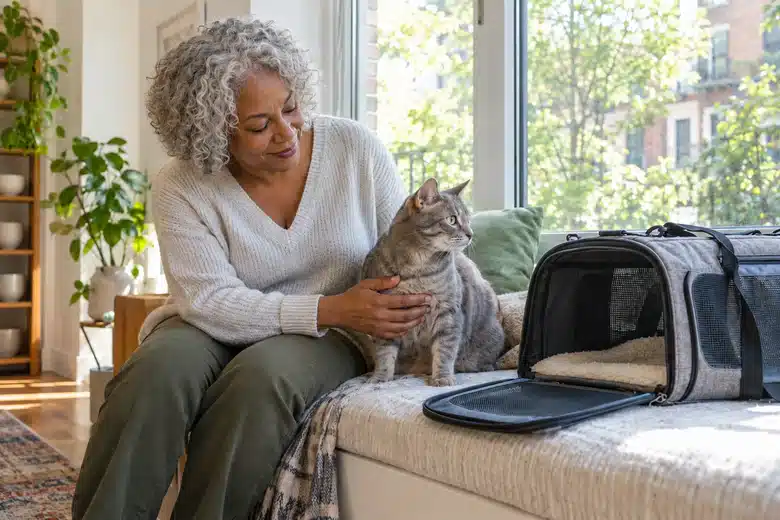
Imagine you adopt an adult indoor cat and want help with an unexpected sick visit. Start a small folder with the adoption record, estimated birth date, earlier clinic details and any known medication history. Indoor living is not a substitute for reading illness coverage. If the cat has already been seen for a problem, keep that information with the application rather than assuming a later diagnosis makes the problem new.
The California Department of Insurance’s consumer checklist asks buyers to examine prior-condition exclusions, waiting periods and the basis of reimbursement. Those are useful document questions for this scenario; California’s guide does not establish the law or policy offered in every other state.
Use three columns on a page: unexpected injury, illness and planned routine care. Place the costs that worry you into the relevant column before looking at a headline benefit percentage. A routine vaccine appointment and treatment for a new illness are different requests. If you want both types of help, identify which contract or optional benefit addresses each, and what you would pay without it.
| Policy term | Practical meaning | Document to check |
|---|---|---|
| Insured pet | Your cat must be the animal described; check identity and age | Declarations and application |
| Prior-condition definition | Earlier signs or care may matter even without a final diagnosis | Definitions and exclusions |
| Start and waiting dates | A policy start date may precede eligibility for some events | Schedule and state endorsement |
| Eligible charges | The full clinic total need not be the reimbursable amount | Coverage grant and excluded-fee wording |
| Deductible, percentage, cap | These determine the payment after eligibility | Financial schedule and claim formula |
Keep policy terms, deductible, reimbursement and limits beside the quote so the comparison stays consistent.
Assume solely for this exercise that a new illness is eligible, all applicable waiting periods have ended and $1,000 of a $1,250 bill qualifies. The other $250 represents charges excluded under this invented example. Assume a $250 remaining annual deductible, 80% reimbursement after that deductible, and enough unused annual limit. None of these amounts is a price estimate, clinical bill prediction or an offer from a named insurer.
| Stage | Arithmetic | Result |
|---|---|---|
| Full bill | Amount paid to clinic | $1,250 |
| Eligible portion | $1,250 minus $250 excluded | $1,000 |
| After deductible | $1,000 minus $250 | $750 |
| Insurer payment | $750 times 80% | $600 |
| Owner’s bill share | $1,250 minus $600 | $650, plus the policy premium |
If the same eligible event occurs after this annual deductible has already been met, the illustration pays $800 and leaves $450 of the invoice with the owner. If the illness is excluded instead, this example’s reimbursement becomes zero. That is why the question “Is this eligible?” comes before “What is 80% of the bill?” A cap or a different contract formula can change the result.
MetLife’s currently linked Ohio specimen, form PET21-01-V OH, explains deductible-first payment on printed page 7. This older sample illustrates where to find the formula; it is not your cat’s issued contract or proof that its sample options are sold in your state today.
Before a planned appointment, learn how the clinic expects to be paid and what documents it provides. Save the itemized invoice and medical record, including the reason for each test or treatment. If an insurer asks for earlier records, match the requested dates to the clinics in your folder. Compare the explanation of benefits with the invoice line by line rather than treating a partial payment as an unexplained percentage cut.
A company may allow enrollment while excluding that problem. Enrollment eligibility and coverage of the previous illness are separate questions; use the offered wording and the actual history.
No. Confirm the payment arrangement with both the clinic and insurer. This walkthrough assumes the owner pays first.
No. It teaches the sequence using invented amounts. Your policy, records, eligible charges and remaining limits determine the actual result.
These links provide independent government, academic or reference background. Actual policy wording controls insurance eligibility, benefits and claims.
Keep the policy terms beside the price, then continue to rates when the comparison is clear.